Make the Decision Before the Commitment
Proposabid helps capital decision-makers bring structure, clarity, and defensibility to complex projects before money is committed.

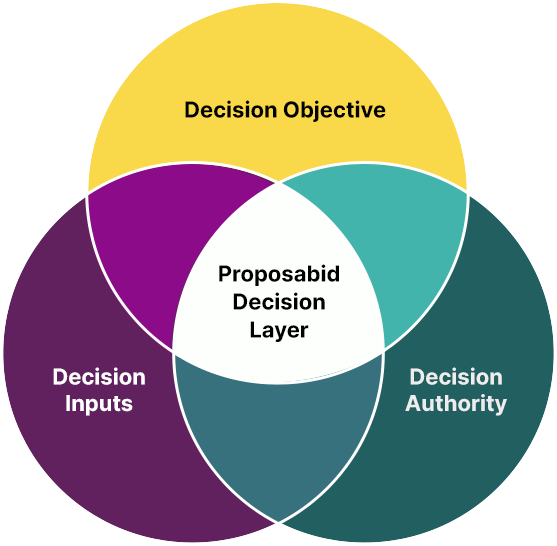
Real estate has systems for managing properties, projects, contracts, and construction. Proposabid manages what happens before ownership commits the money. We make sure the right problem is being solved, the market is pricing the same thing, the differences and tradeoffs are clear, the right people make the decision, and there is a record of what was decided and why.
See How Proposabid WorksReal examples of what project inputs support before approval

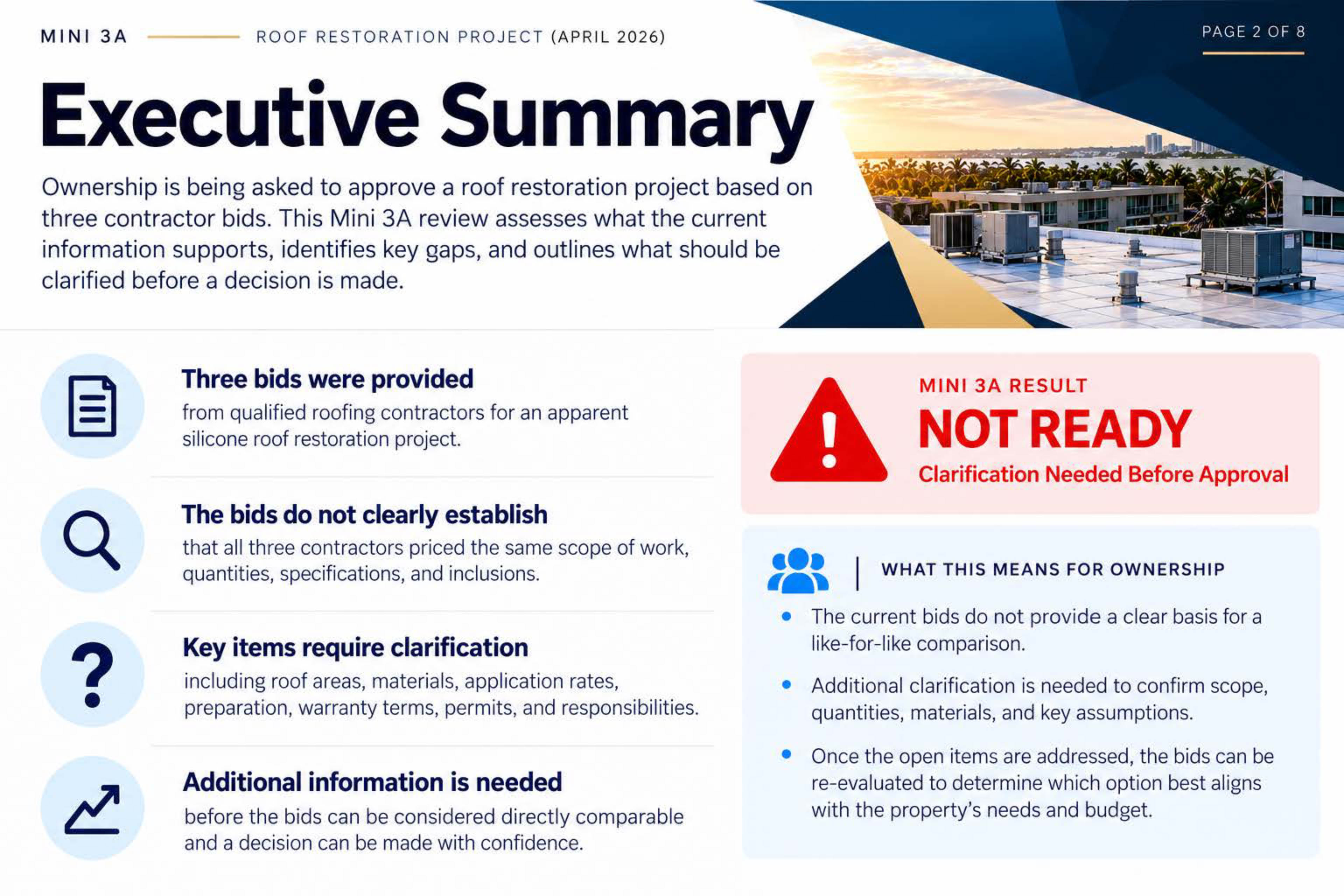
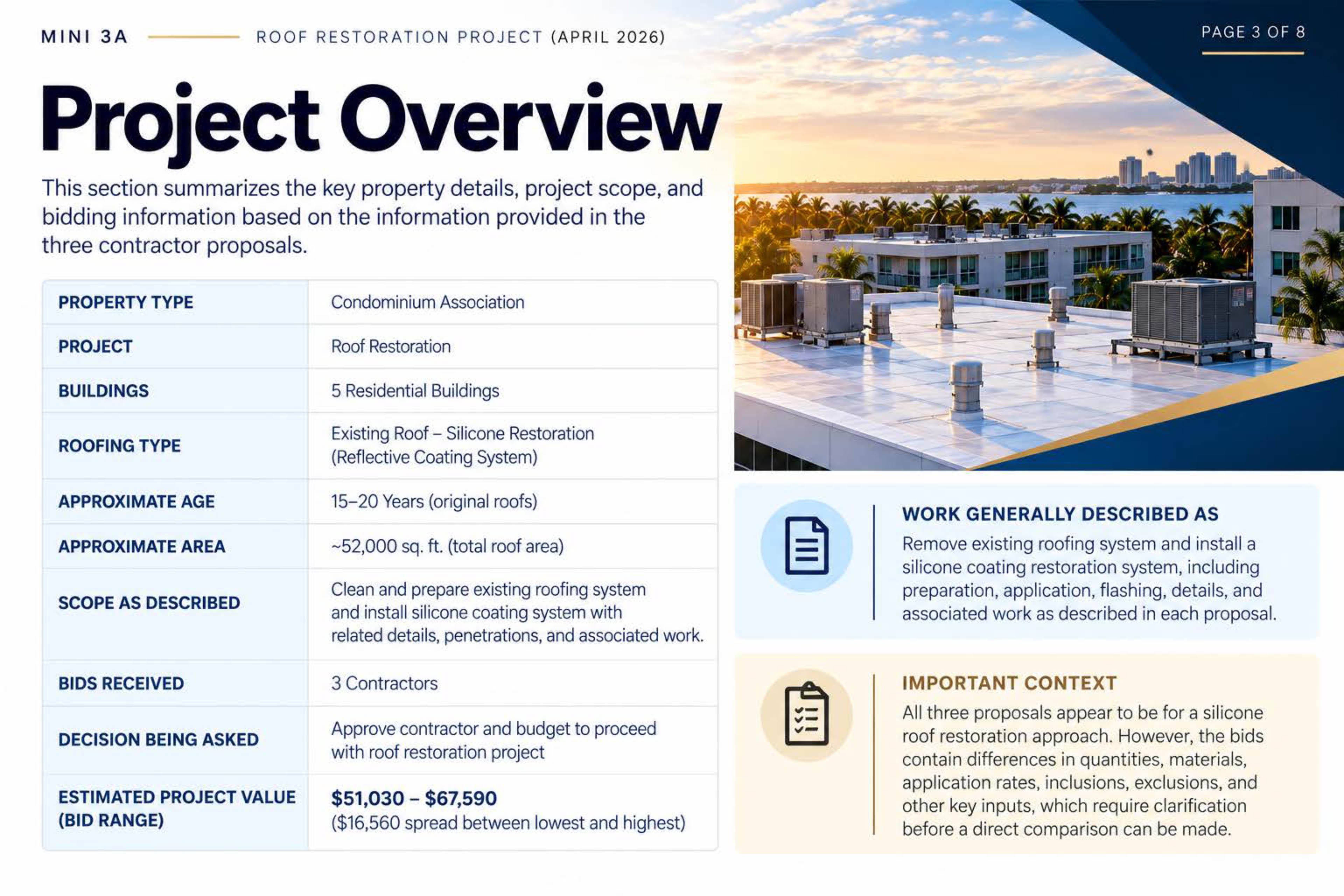
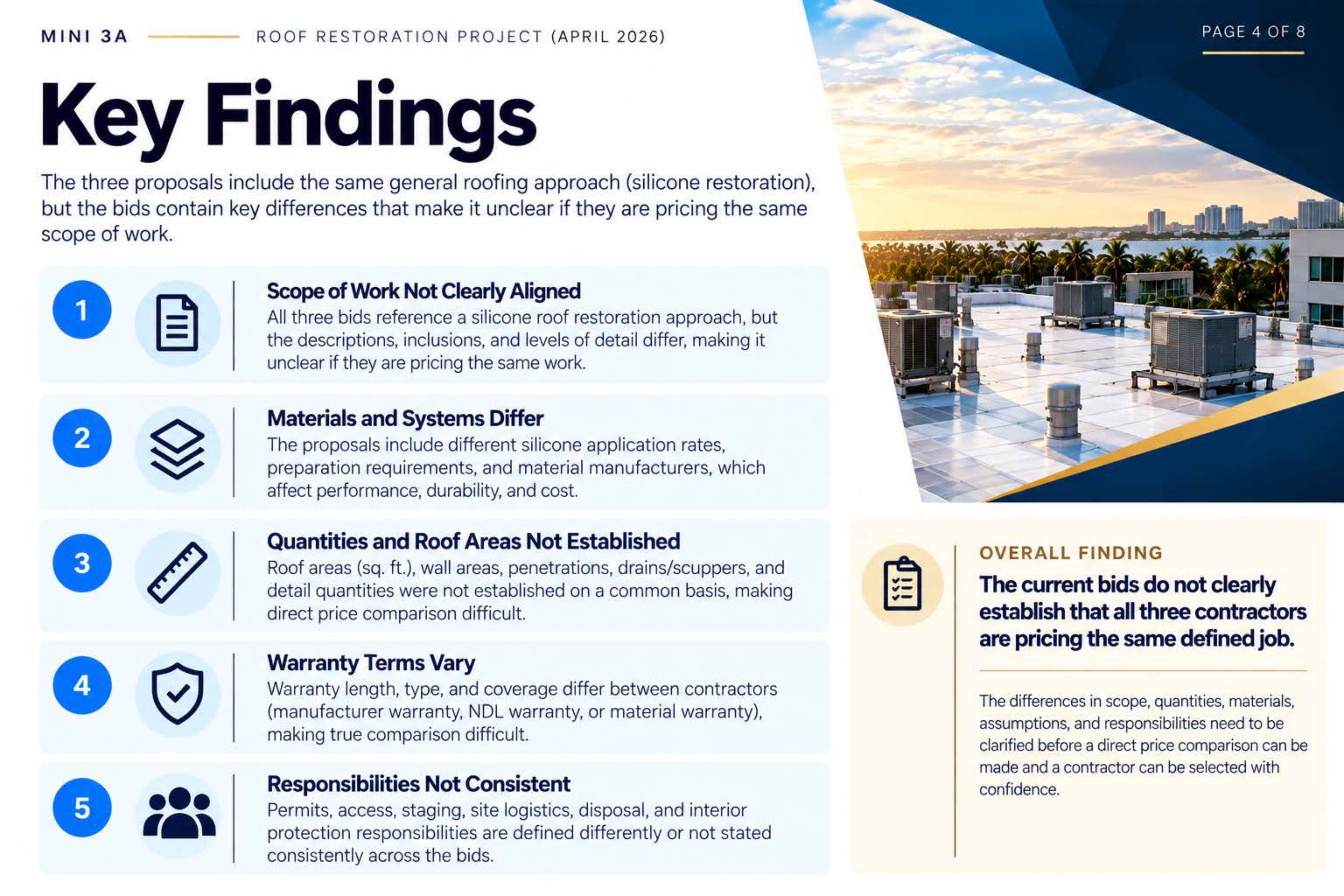
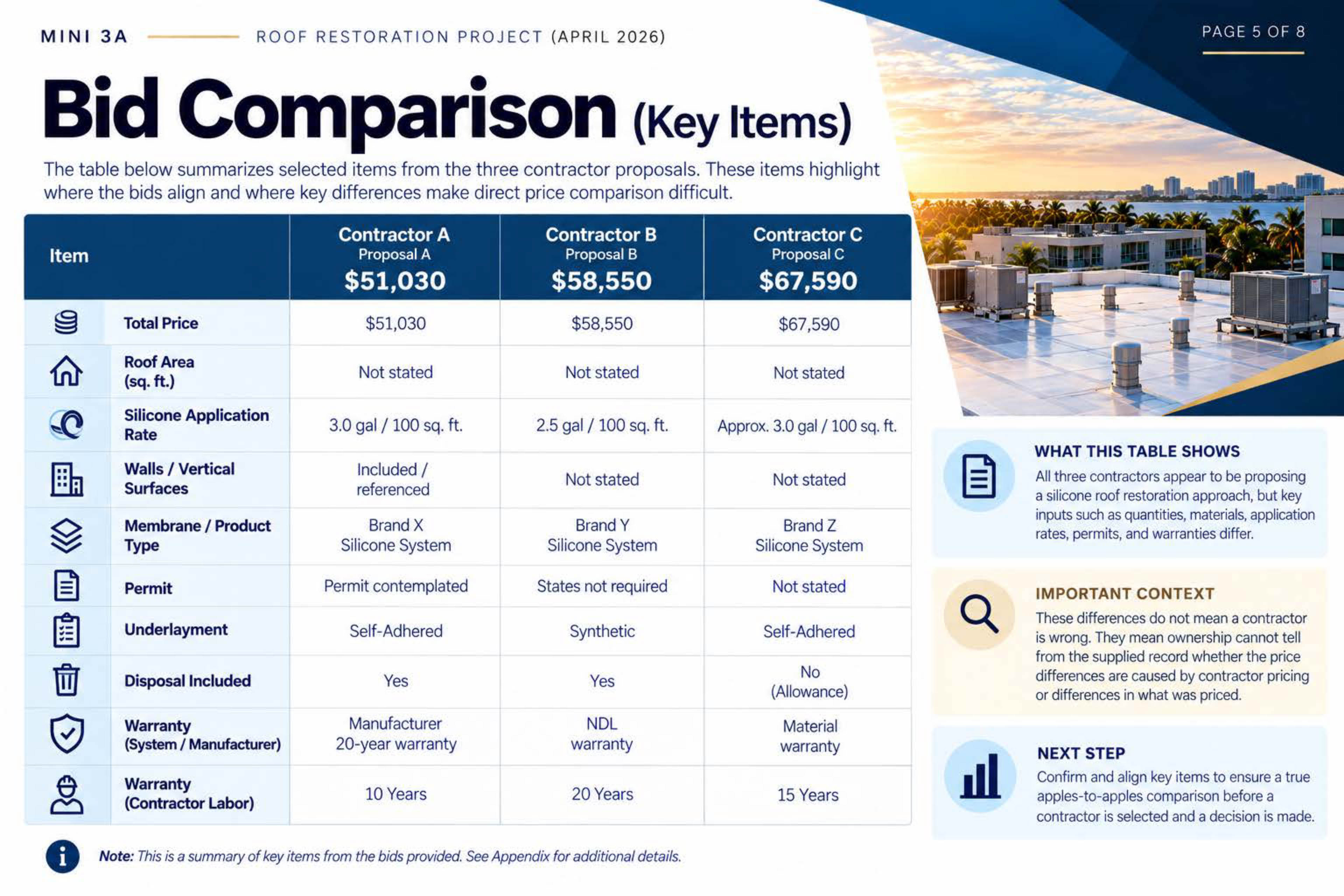
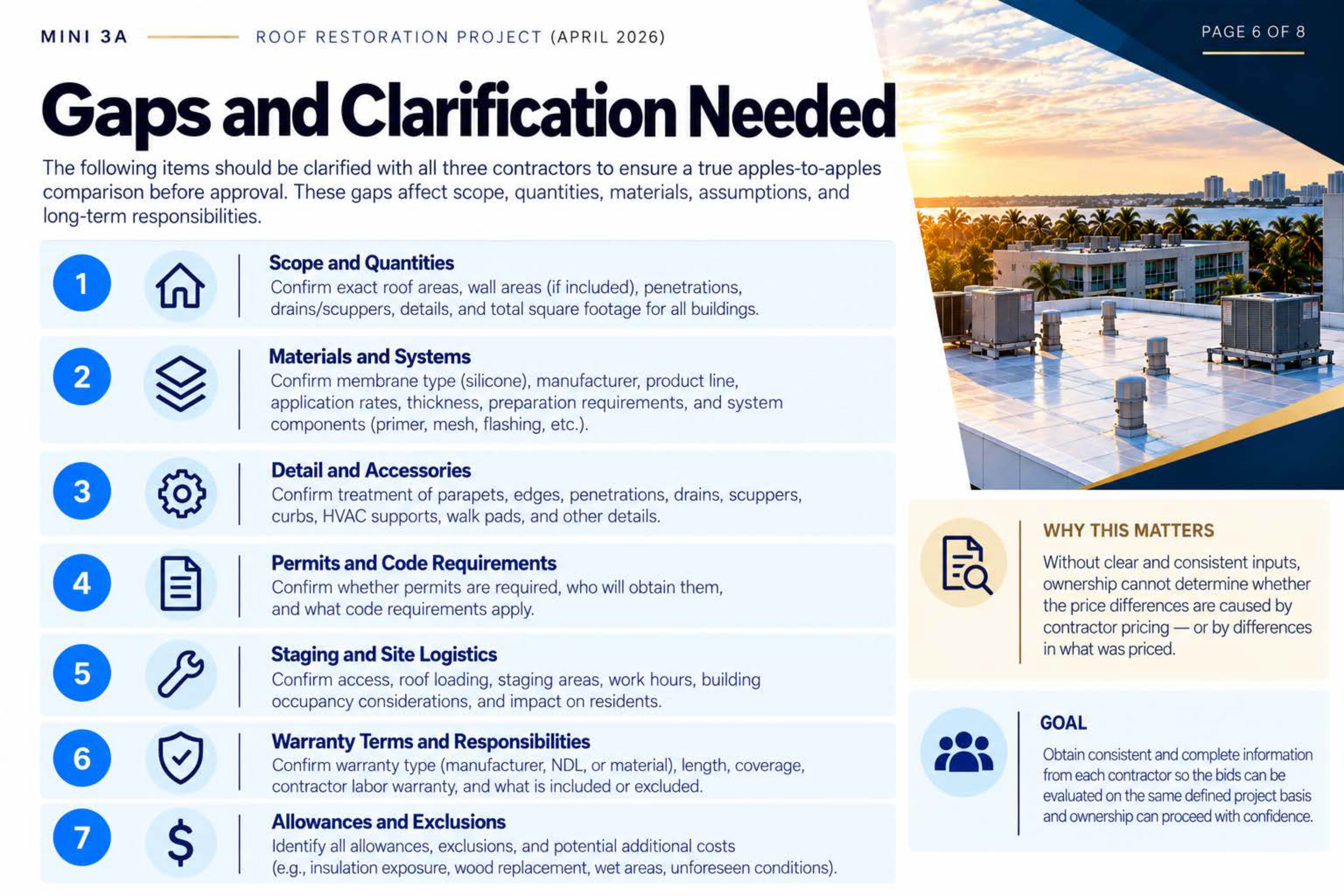
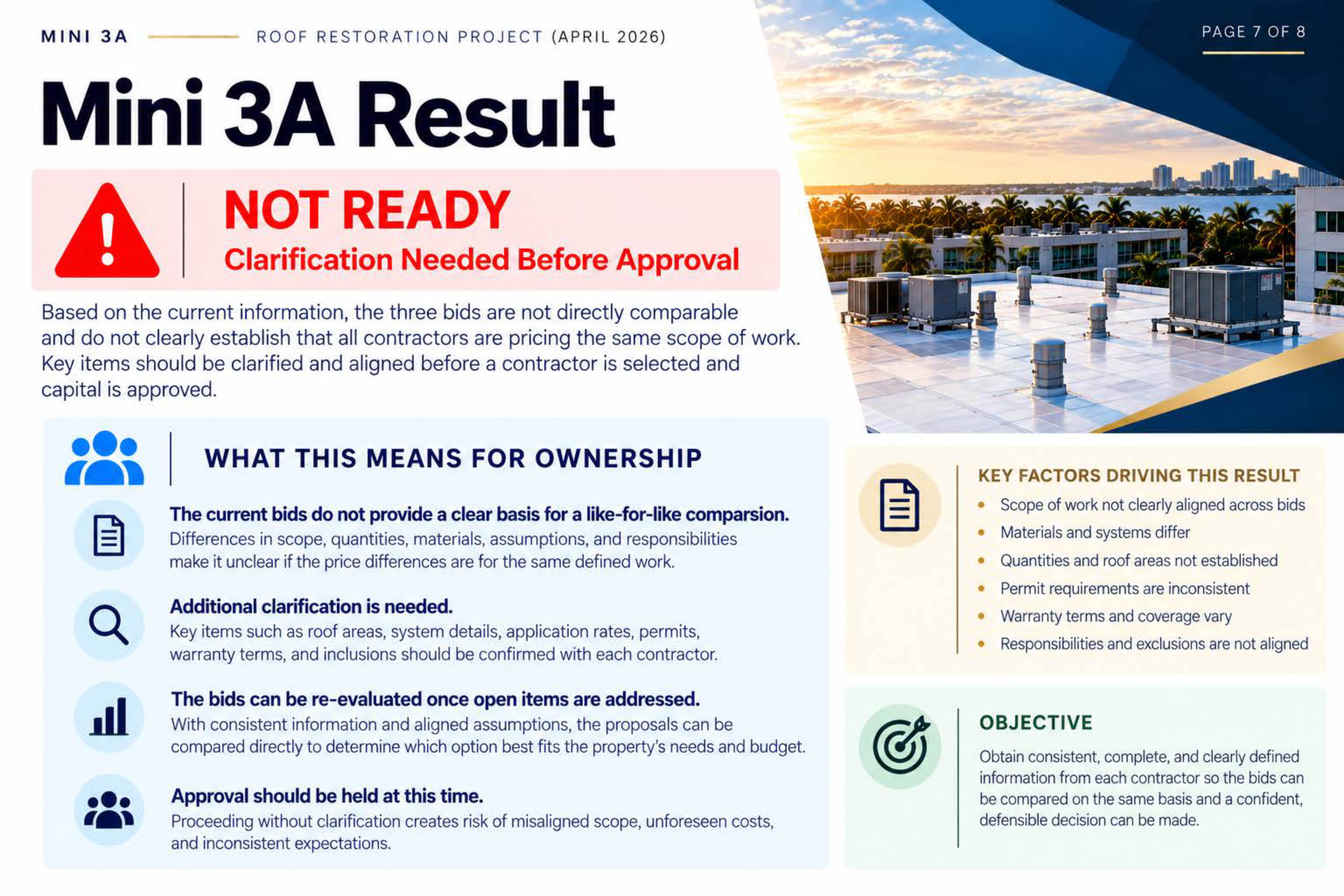
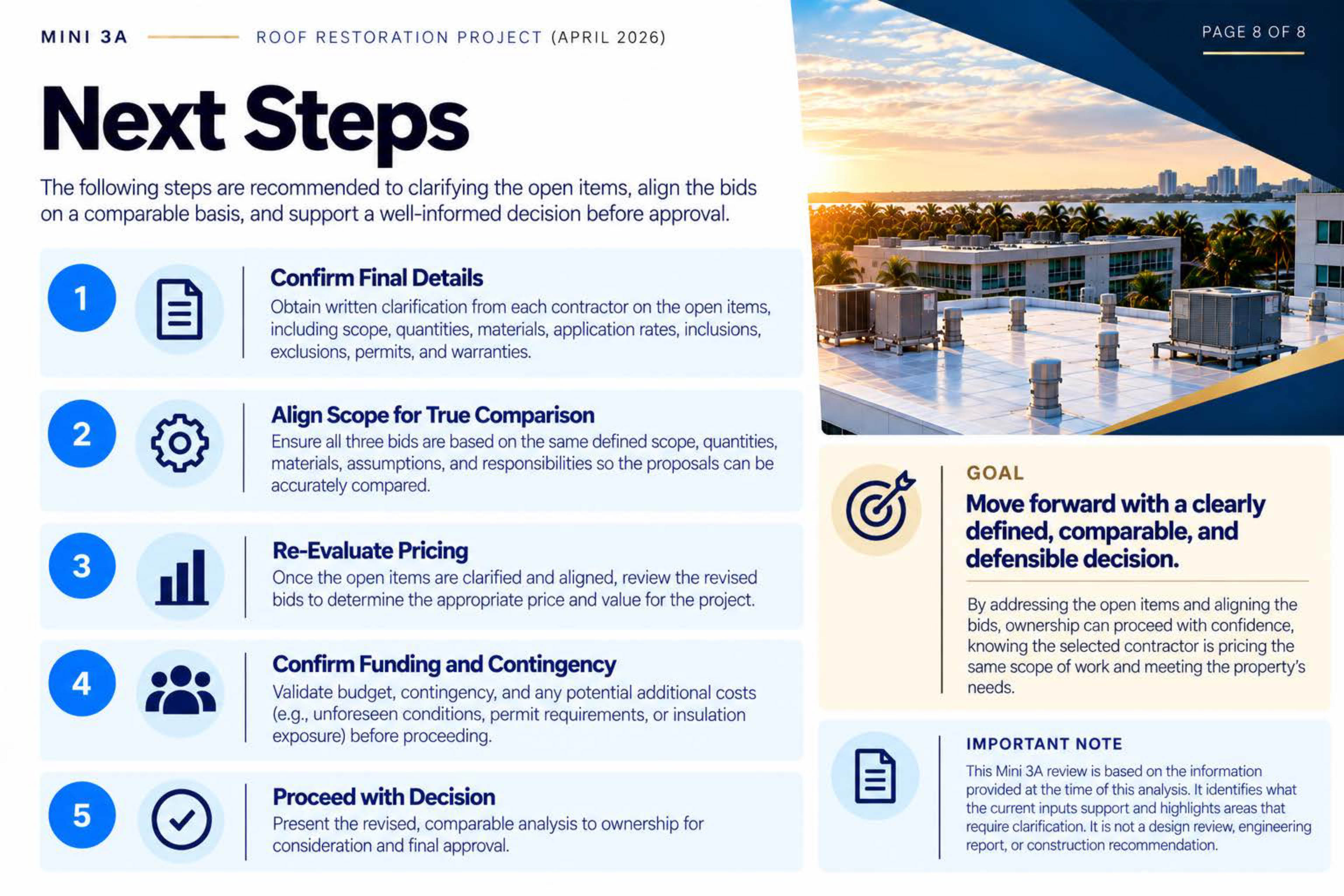

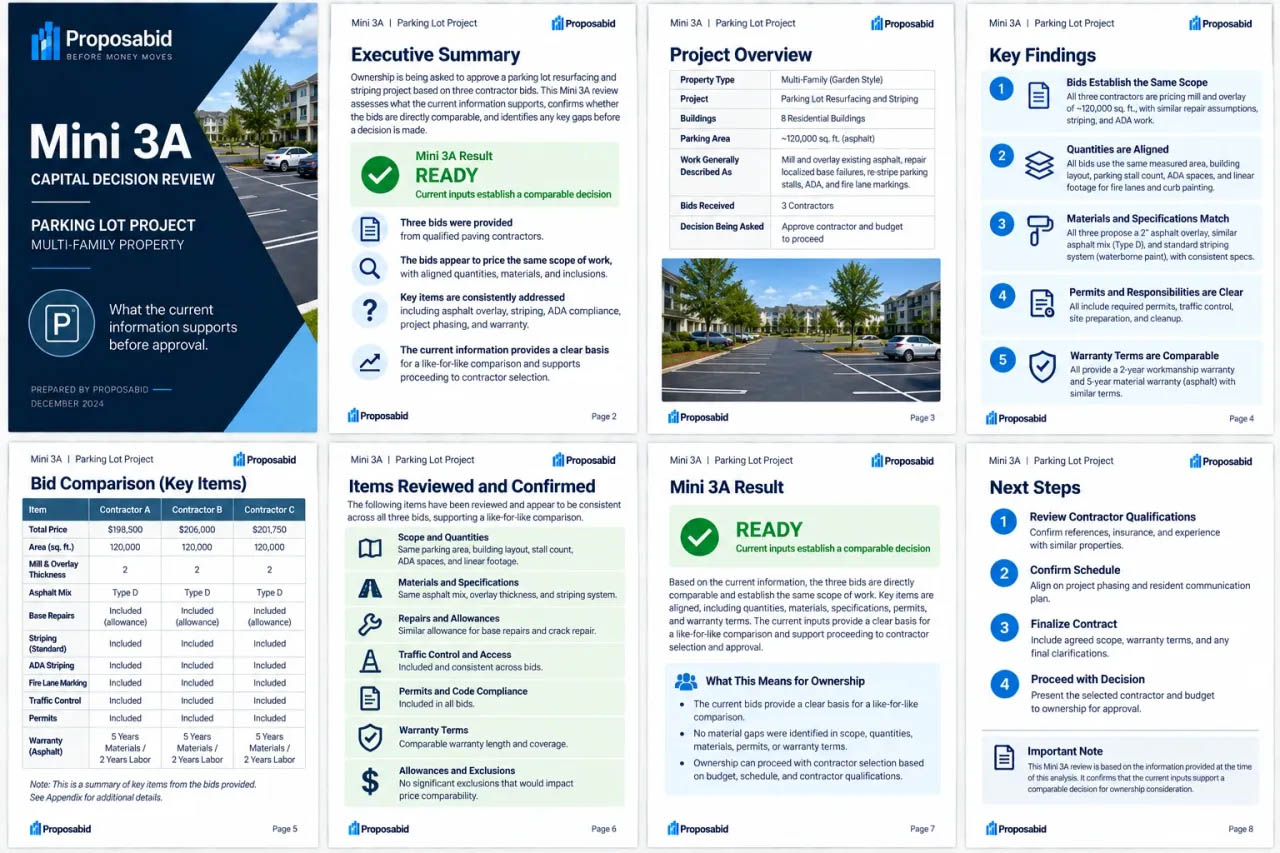
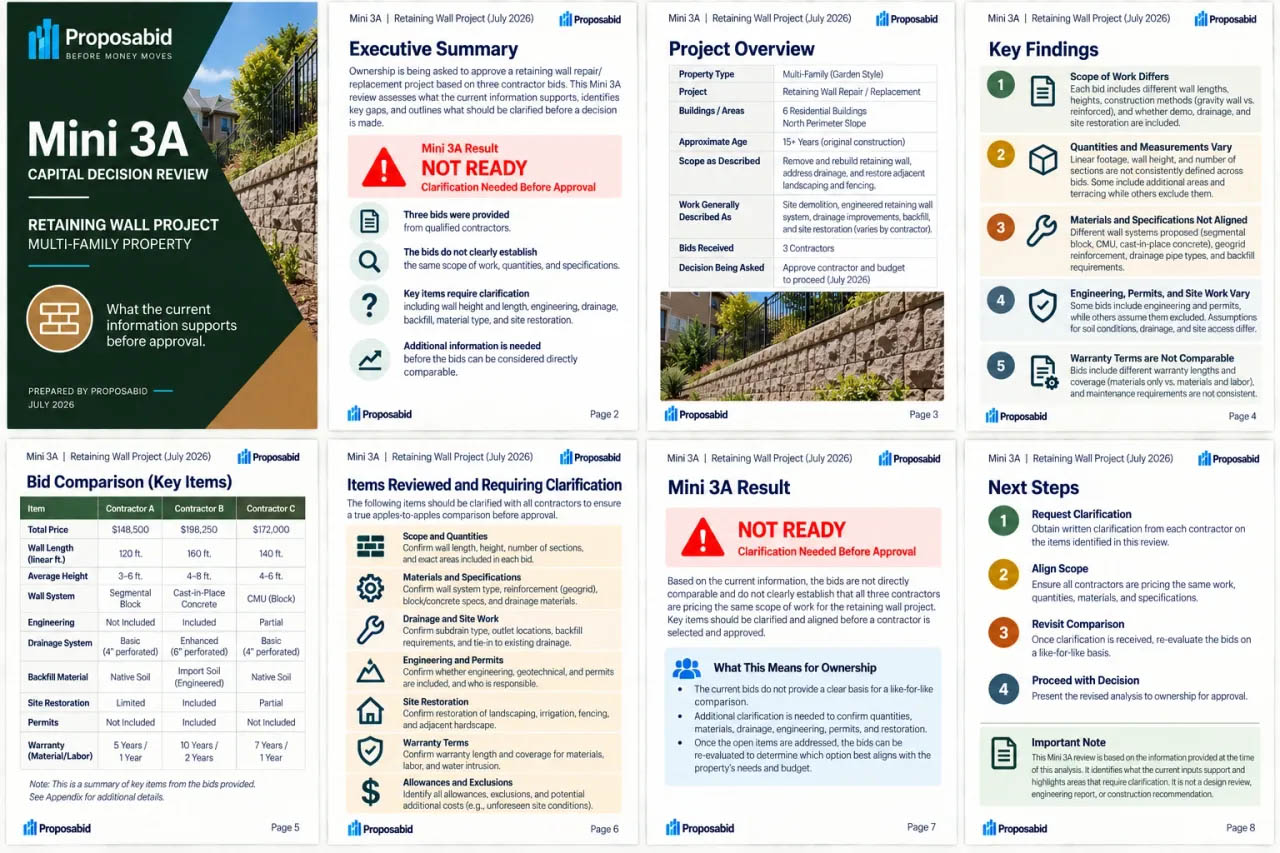
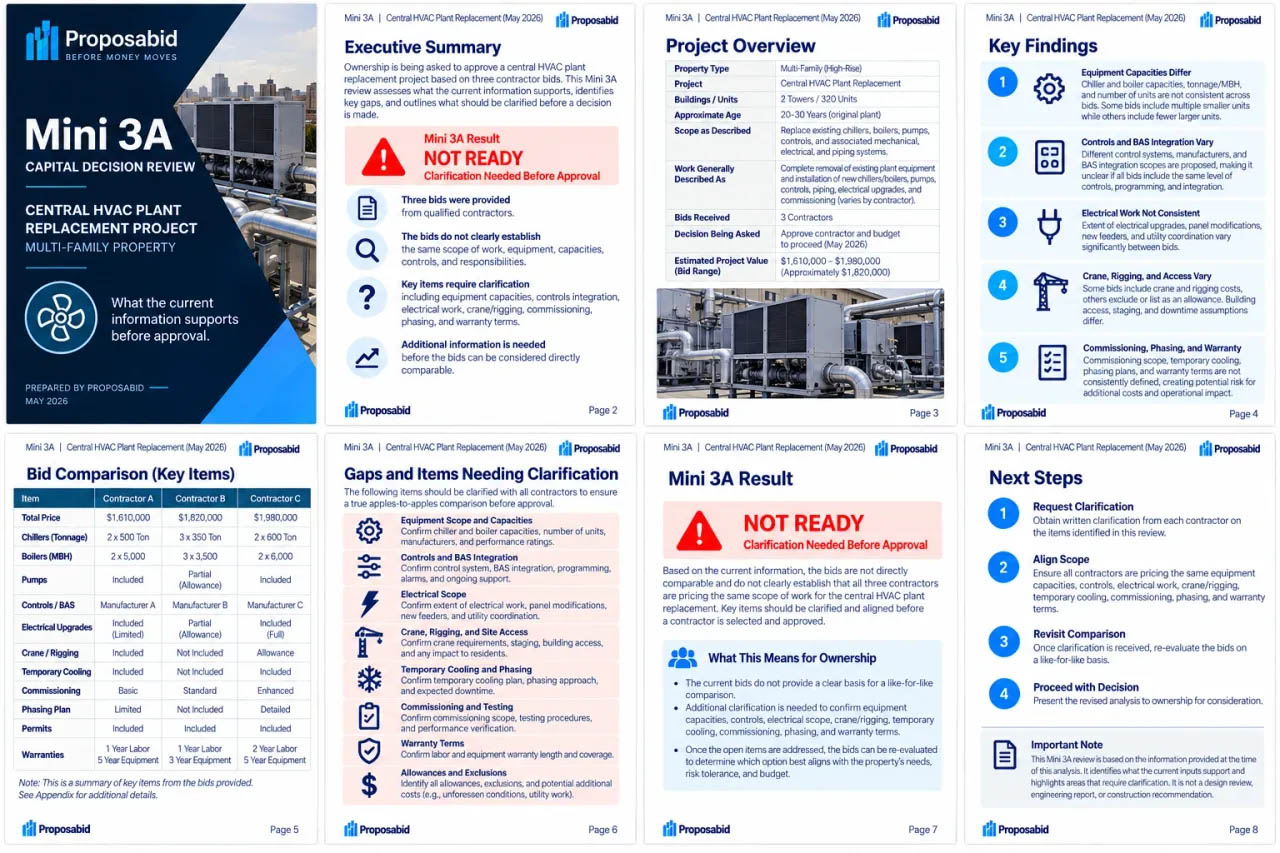
Proposabid works with the people preparing and approving major property decisions.
The roles may be different. The problem between them is often the same:
Does the information being presented actually support the decision that needs to be made?
Proposabid helps capital decision-makers bring structure, clarity, and defensibility to complex projects before money is committed.


PROPOSABID FOUNDER
Veteran Firefighter
20+ year IT & Infrastructure Expert
Entrepreneur
Privacy
The proposabid.com website and its subdomains (collectively, the “Website”) is published and maintained by Kevin Wakelin. We respect the privacy of each User of the Website.
If you need information or have any questions or concerns about our Privacy Policy or our use of your Personal Information or wish to review your Personal Information, please contact us at 510-929-6354 or RoDevia@proposabid.com.
ACCESSIBILITY
Notice Under the Americans With Disabilities Act: Proposabid takes accessibility seriously. We are continuously endeavoring to make the Website compliant with Web Content Accessibility Guidelines (WCAG) 2.0 standards.
If you have any trouble experiencing this site, or have questions or concerns, please contact us at 510-929-6354 or RoDevia@proposabid.com.